
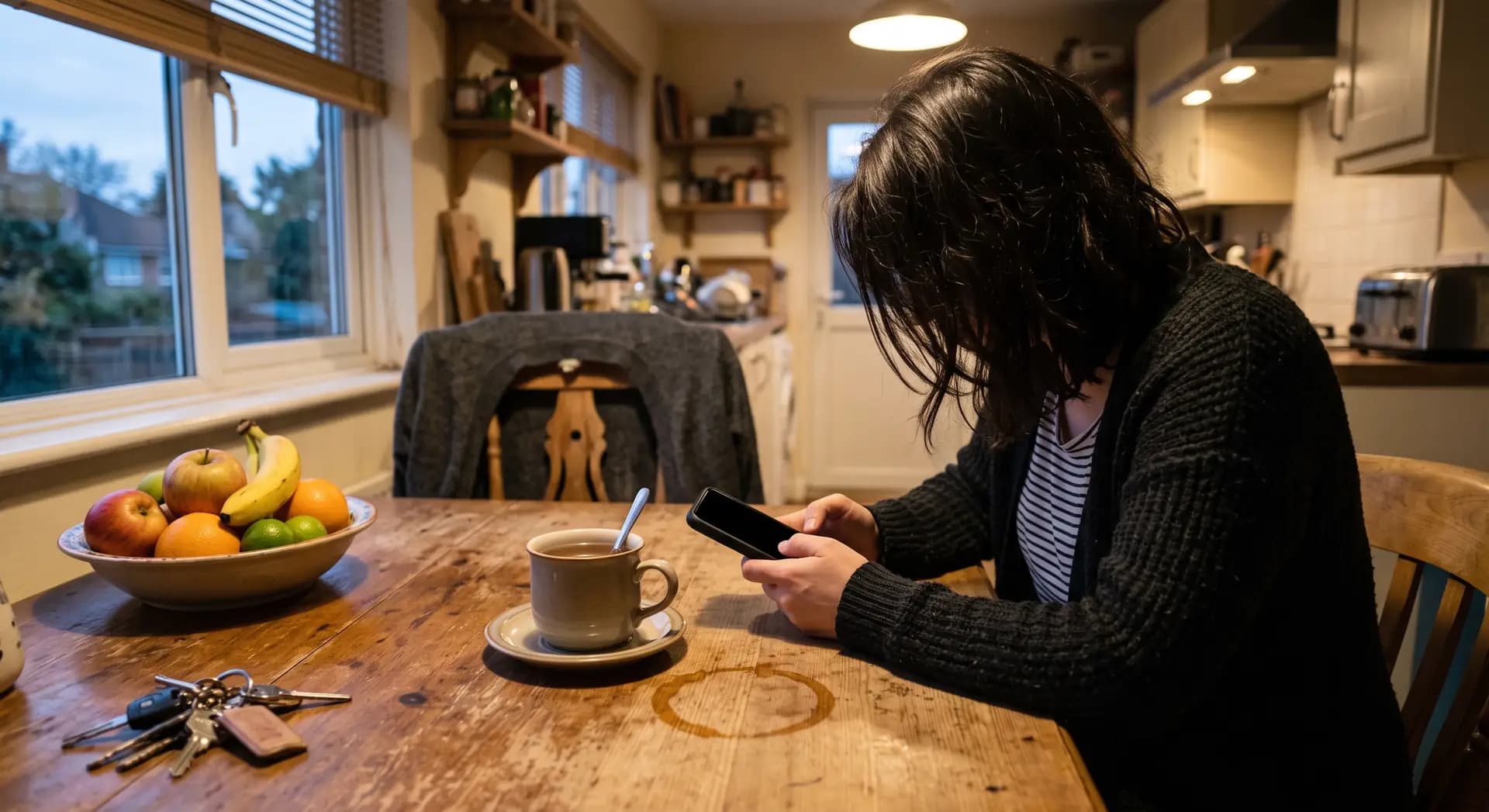
One of the most common things people say in a first session is some version of: I probably should have come sooner. Often followed by: I wasn’t sure my problem was big enough.
There is no severity threshold you need to reach before therapy is appropriate. Anxiety does not have to be debilitating to be worth addressing, and waiting until it is tends to make the work longer and harder. If you are wondering whether it is time, here are five signs that are worth taking seriously.
1. Your world has quietly become smaller
This is the sign people most often miss, because it happens gradually. You stop putting your hand up at work. You decline the invitation, again. You take the longer route to avoid the freeway, or you order in rather than face the restaurant. None of these decisions feel dramatic in isolation, and each one comes with a reasonable-sounding justification.
Look at the pattern rather than the individual choices. If the list of things you no longer do has been growing, anxiety is making decisions on your behalf, and that is worth interrupting.
2. The worry does not switch off
Everyone worries. The difference with anxiety is that the worry becomes untethered from any particular problem and keeps running regardless. You resolve one concern and another immediately takes its place. You lie awake mentally rehearsing conversations. You wake already braced for the day.
When the mind will not stand down even in genuinely safe circumstances, that is not a personality trait to be endured. It is a pattern that responds well to treatment.
3. Your body is carrying it
Anxiety is physical as much as mental. Persistent tension through the shoulders and jaw, digestive problems, headaches, disrupted sleep, a heart that races without cause, or a constant low-grade restlessness are all common. Many people see their GP about these symptoms without connecting them to anxiety at all.
If medical causes have been ruled out and the symptoms persist, the nervous system may simply be stuck in a state of alert.
4. It is affecting the people around you
Anxiety rarely stays contained. It can show up as irritability with the people closest to you, withdrawal from friendships that used to matter, difficulty being present with your children or partner, or a short fuse that does not feel like you. Sometimes the people around you notice the change before you do.
If someone who cares about you has gently raised it, that is worth weighing rather than dismissing.
5. What used to work has stopped working
Most people manage anxiety with their own strategies for a long time before seeking help: exercise, distraction, keeping busy, a glass of wine in the evening, avoiding the trigger. These often work well enough for years.
The signal worth acting on is when they stop being sufficient, or when the strategy itself starts creating problems. Needing progressively more of something to get the same relief is a pattern that tends to compound rather than resolve on its own.
The thought that keeps people waiting
Beneath most delays is a version of the same thought: other people have it worse. It is a decent instinct and a poor decision rule. Psychologists are not a scarce emergency resource to be rationed. Seeking support early usually means fewer sessions, faster progress, and less accumulated damage to work, relationships, and confidence in the meantime.
You are also allowed to attend therapy simply because something is harder than you would like it to be. That is a sufficient reason.
What to do next
If several of these felt familiar, a conversation is a reasonable next step. You can see a psychologist directly without a referral, or you can visit your GP to discuss a Mental Health Care Plan, which provides Medicare rebates for up to ten sessions per year.
If the unknown is what is holding you back, our what to expect page walks through exactly what happens in a first appointment. Sage Psychological Services offers anxiety therapy in East Fremantle and by telehealth across Western Australia. You can book a session when you are ready, or get in touch with a question first.