Plenty has been written about what happens in a first therapy session: the paperwork, the questions, the length of the appointment. Much less is written about what it feels like, which is usually the part people are actually worried about.
So here is the honest version, including the fears people tend not to say out loud.
The ten minutes before
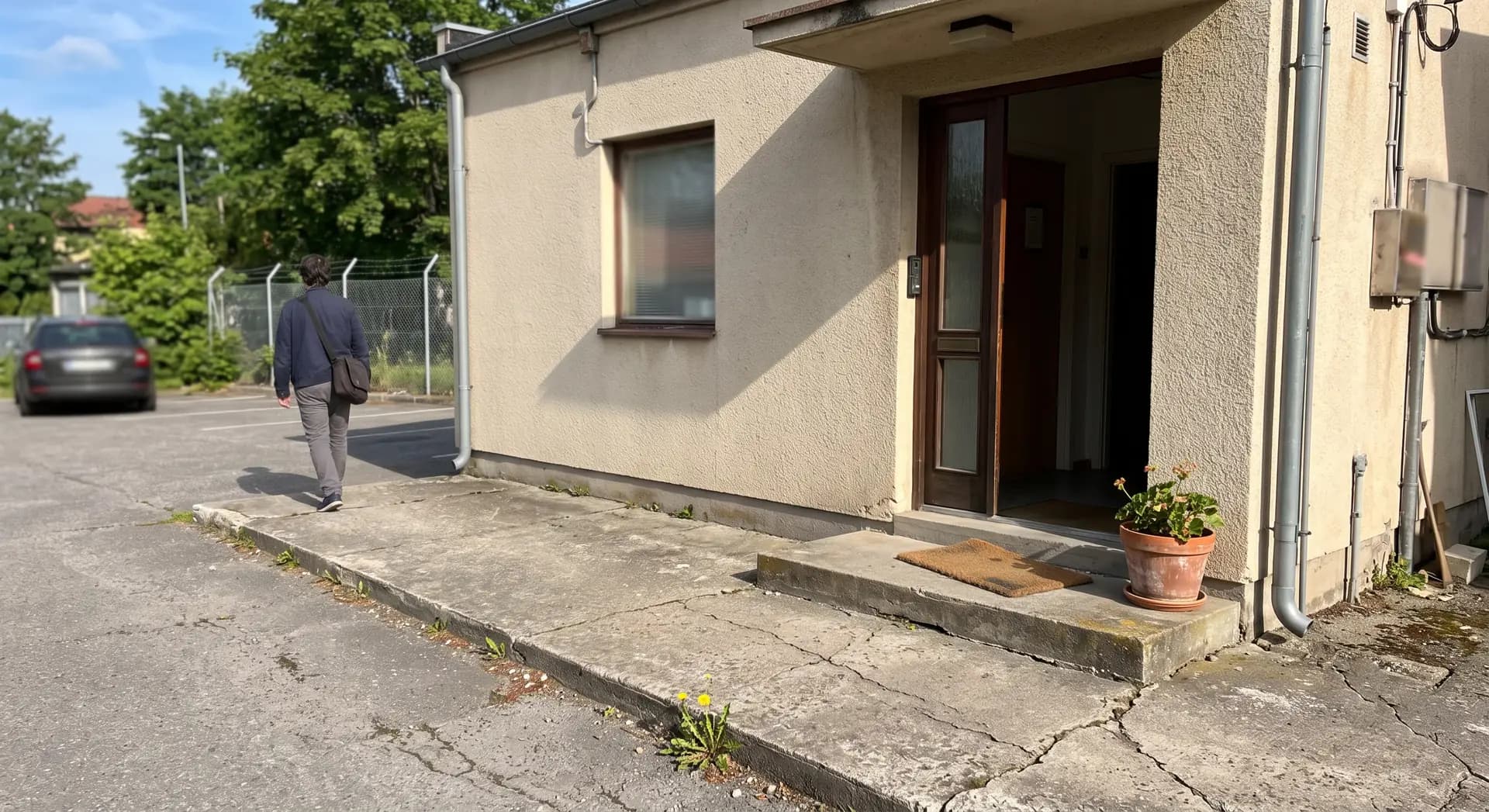
Most people feel some version of nervous beforehand, and a fair number seriously consider not going. If you find yourself sitting in the car park talking yourself out of it, that is an extremely common experience rather than a sign that this is not for you.
It usually settles faster than expected. The first few minutes are ordinary and administrative, and the anticipation is almost always worse than the reality.
The fears people rarely mention
What if I go blank?
Very common, and entirely fine. You are not expected to arrive with a coherent account of your difficulties. A psychologist’s job includes asking useful questions when you do not know where to begin. Saying I don’t really know where to start is a perfectly good opening, and it is one Jacob hears regularly.
What if I cry?
Then you cry, and it is completely unremarkable in that room. There are tissues within reach for a reason. Nobody will be uncomfortable, nothing will be made of it, and you will not have done anything wrong. Many people are surprised by how quickly emotion surfaces when they finally have permission to speak honestly.
What if my problem isn’t serious enough?
There is no threshold. People come with acute crises and with difficulties that have simply gone on long enough, and both are valid reasons to be there. Comparing your situation to someone else’s is not a useful measure, and it keeps a great many people waiting far longer than they needed to.
What if I’m judged?
You will have to take this partly on trust until you experience it, but psychologists are genuinely difficult to shock. Whatever you are carrying, it is almost certainly something that has been heard before, and the response you get will be curiosity about how it has affected you rather than judgement about it.
Will I have to talk about my childhood?
Only if it is relevant, and only when you are ready. Some approaches look at earlier experience because present patterns often have roots there. But you are never obliged to discuss anything before you want to. You can say I would rather not go into that yet, and a good therapist will simply move on.
What the hour is actually like
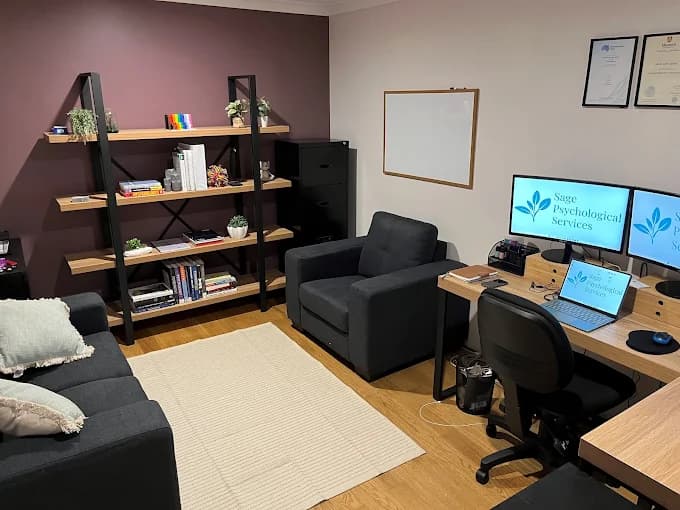
Most people describe it as less intense and more conversational than they expected. It is not an interrogation, and there is no couch. It is a conversation in which one person is genuinely paying attention, which turns out to be a fairly unusual experience.
You will do most of the talking, but not all of it. Jacob will ask questions to understand the picture, and towards the end will usually offer some initial reflections on what he is hearing and how the work might proceed. Many people find this part unexpectedly settling, because a difficulty that has felt formless starts to acquire a shape.
The hour tends to go quickly.
How you might feel afterwards
Reactions vary. Some people leave lighter, having finally said something out loud that they had been carrying alone. Others feel tired or a bit raw, particularly if more surfaced than they intended. Some feel slightly deflated because nothing was fixed, which is worth naming: a first session is about understanding, not resolution.
All of these are normal. It is worth not scheduling anything demanding straight afterwards if you can avoid it.
If it does not feel right
Fit matters enormously in therapy, and you will usually have some sense of it by the end of the first session. If it does not feel right, you are under no obligation to return. Trying a different psychologist is common, entirely reasonable, and not something anyone takes personally.
Equally, one slightly awkward session is not necessarily a bad sign. First conversations with anyone can be stilted, and the relationship generally settles by the second or third appointment.
When you are ready
If the unknown has been the main thing holding you back, hopefully this makes it feel more manageable. For the practical side, what to bring, how long sessions run, how fees and confidentiality work, our what to expect page covers it in detail.
When you feel ready, you can book an appointment with Jacob, or get in touch with a question first. There is no pressure either way.